- Kindly Do not Post Job, Raw Material & Personal Enquiries

What Should Pharma Businesses Consider Before Choosing Third-Party Manufacturing in India?

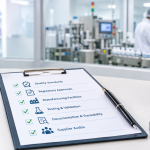
India has emerged as a world leader in medicine manufacturing, and for good reason. For one thing, when a pharma company looks at third-party manufacturing in India, they have access to a proven ecosystem of WHO-GMP-certified facilities and experienced technical manpower, along with low-cost structures that would enable entry into the market without requiring heavy capital investments. However, picking the wrong partner may undo everything from the outset. Here are some essential elements to keep in mind when dealing with third-party manufacturing in India.
Table of Contents
Ensure the license corresponds to the manufacturing facility.
WHO-GMP certificates are awarded to a particular premises, not the company names displayed on their websites. Ask for the certificate of the premises, and ensure that the following three elements are true: that the address of the premises matches your intended manufacturing facility; the certificate is valid; and that the list of dosage forms mentioned in the certificate covers your requirements. If a manufacturing unit has been certified for tablets and capsules only, it cannot produce any injectables or ophthalmics.
Be clear on the differences between loan and own licenses.
It’s common practice that many Indian manufacturers use loan licenses whereby they use the license of a second facility’s approved plant to manufacture your brand’s products. It’s perfectly fine and common practice, but you need to know who the actual manufacturing license holder is and whose name will appear on your batch documents. According to Schedule M and CDSCO guidelines, the contract giver will remain responsible for the quality aspects of your product even if the manufacturing was outsourced.
Know How They Do Things in Their QA Department
Certifications only tell a small part of the story. Inquire how their quality assurance department functions separately from manufacturing, how they qualify their raw material suppliers, and if they keep stability samples of all batches manufactured. If the manufacturer cannot produce a batch manufacturing record or certificate of analysis during due diligence, then they have already said everything they needed to say.
Align Product Capability With Dosage Form
Not all facilities have the capability to produce all dosage forms. Beta-lactam antibiotics require physically segregated facilities. Sterile injection requires a dedicated cleanroom facility. If a company says that they are able to manufacture your complete range of products at one manufacturing facility, check out which plant makes each of them. The answer should be straightforward and clear.
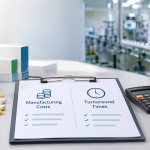
Check Out the Minimum Order Quantity Before Comparison of Quotes
Even if a particular company offers a competitively priced unit cost compared with a production quantity that you cannot sell within its shelf life, it does not mean anything—it will cost you money to store the inventory that you do not need. You need to get MOQ and then start comparing quotes.
The Bottom Line
Third-party manufacturer selection in India should be driven by verification of compliance and fit, not the lowest quotation price. If the manufacturer is unwilling to provide you with a license number and answer questions, he/she will show reluctance if the batch has a deviation.
Partner With Lifevision Healthcare
Lifevision Healthcare understands the needs of brand owners for third-party manufacturing partners because we have been developing these partnerships since 2010. We have WHO & GMP-certified plants that manufacture an extensive range of pharmaceutical formulations that include, but are not limited to, Cefixime 200mg, Ornidazole 500mg, Cefuroxime Axetil 250mg & Rifaximin 400mg. We are happy to provide all the answers you seek, along with the documentation that will help you decide whether to go ahead with this arrangement.
Reach out to us at +91 8062750200 or email enquiry@lifevisionhealthcarechd.com to discuss your third-party manufacturing needs.
Frequently Asked Questions
What is third-party pharma manufacturing in India?
It refers to the process wherein a brand owner hires a licensed manufacturer to manufacture their products with the brand owner’s name on their products. Even though the manufacturing license will be with the third-party manufacturer, the brand owner is accountable for the market and regulatory reputation of the product.
What is a loan license in pharmaceutical manufacturing?
“Loan license” refers to the process wherein a company without a manufacturing facility can manufacture its products through another facility by obtaining a loan license for the same. They remain fully liable for the product’s quality and compliance even though the product happens to be somewhere else.
What are some documents that should be requested prior to signing off on the third-party manufacturer?
Request the manufacturing license, GMP/WHO-GMP certificate, sample batch manufacturing record, sample certificate of analysis, and stability data specific to your product.
Is it possible for a manufacturer to make all dosage forms in the same facility?
No. Usually, beta-lactams, injections, ophthalmics, and oral solids require different facilities that are separate and physically segregated. Find out which facility manufactures your desired dosage forms.